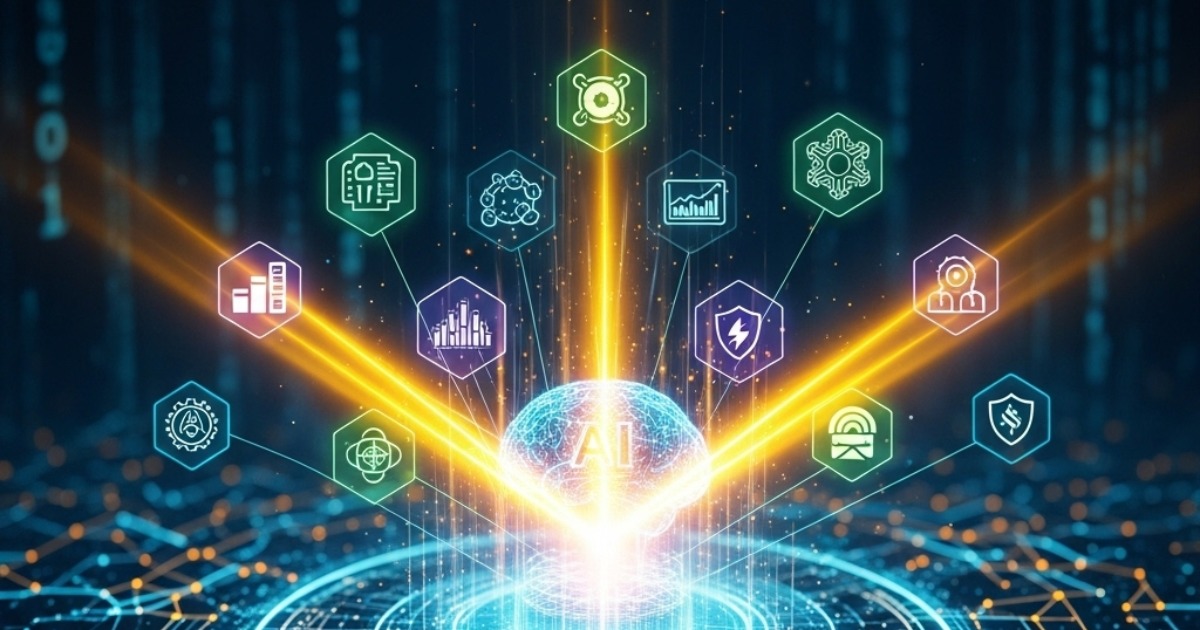
The Evolution of Test Automation with AI
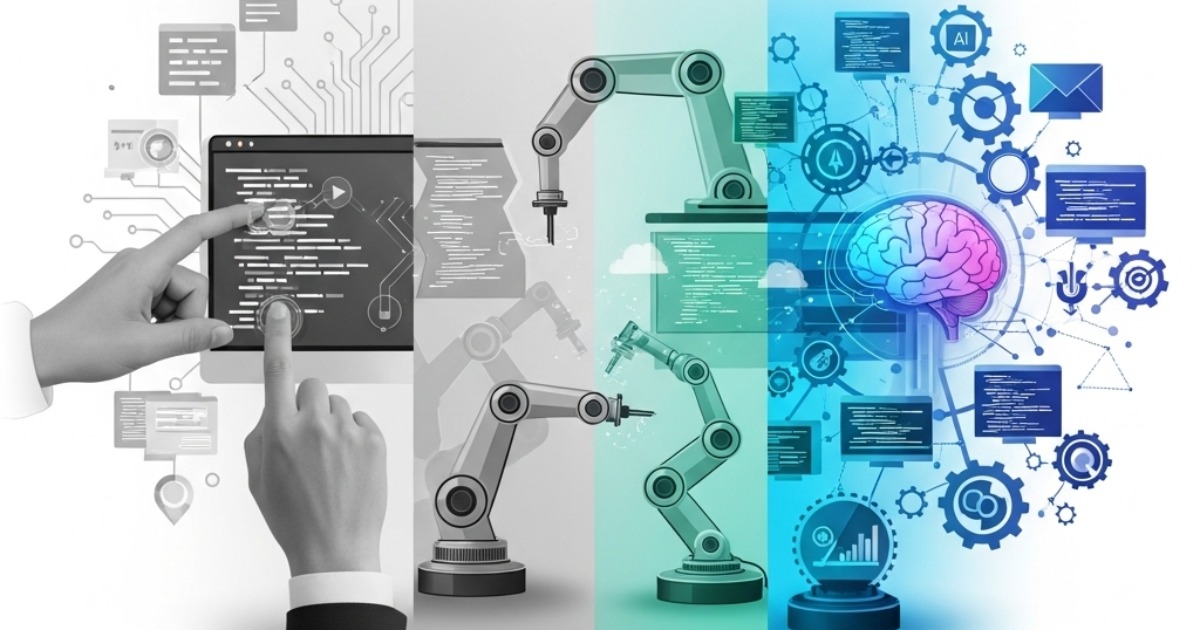
From Manual to Intelligent Testing
Testing processes are at the heart of the software world. Initially, only manual tests were used, but over time, script-based automation emerged. However, these methods were complex, costly, and fragile, failing to provide the desired flexibility. Today, AI-powered test automation is opening the door to a new era.
Historical Journey of Test Automation
Manual Testing Era: Human-driven tests; slow, expensive, and error-prone.
2. Script-Based Automation: Rise of frameworks like Selenium and Appium; required coding skills, costly maintenance.
3. AI-Powered Automation: Self-healing locators, auto-generated test cases from requirements, predictive analysis.
Contributions of AI
– Self-Healing Tests: Even if the UI changes, AI automatically identifies the correct element.
– Automatic Scenario Generation: Converts natural language steps into executable test cases.
– Predictive Analytics: Uses past results to predict high-risk areas.
– Time and Cost Savings: AI handles repetitive tasks, reducing workload.
Future Vision
With no-code/low-code tools, test automation will be accessible to everyone. Through CI/CD integration, testing will become invisible, while smart reporting will give QA teams insights into business risks.
Smartest’s Role
Smartest sits at the center of this transformation with features like AI-powered locator detection, self-healing scenarios, no-code test creation, and rich reporting.
Conclusion
Test automation is no longer just about finding bugs; it’s about enabling innovation and building trust. AI-powered automation is making the future of software faster, more reliable, and more accessible.